
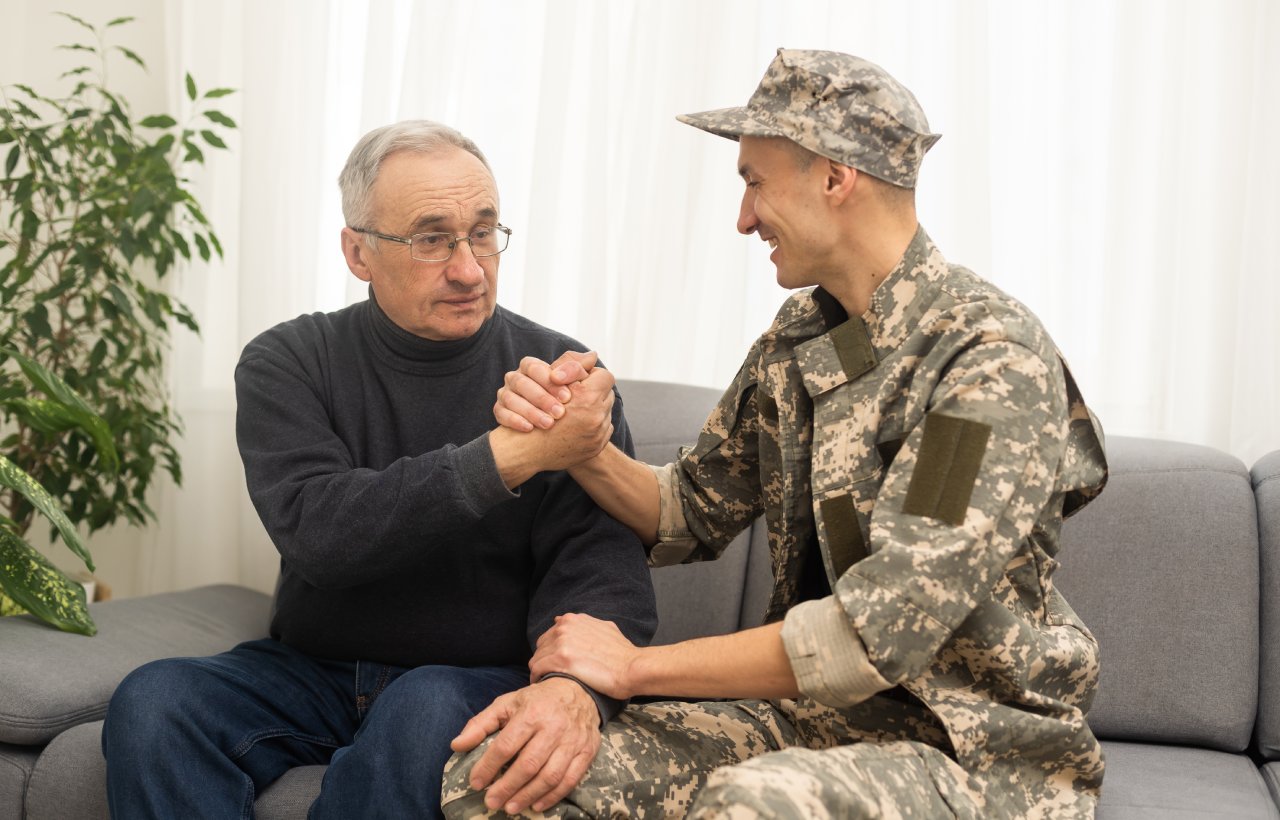
Aftercare planning for veterans in recovery is a vital process that bridges the gap between initial treatment and long-term wellbeing. More than 1 in 10 Veterans of the wars in Iraq and Afghanistan have been diagnosed with a substance use disorder, with over 60 percent facing co-occurring post-traumatic stress disorder and nearly 70 percent not receiving formal treatment (American Addiction Centers). This underscores the importance of a robust aftercare strategy tailored to your unique needs as you transition back into daily life.
Creative Recovery recognizes that aftercare is not an afterthought but a critical phase in your healing journey. By focusing on personalized support, evidence-based therapies, and stable environments, our approach ensures that the gains you’ve made during residential treatment endure long after you leave our facilities. In this article, you will learn how to understand veteran challenges, define the essentials of aftercare planning, and build a comprehensive support plan designed to sustain your recovery.
Understand veteran challenges
Recognizing the specific obstacles you face as a Veteran is the first step toward effective aftercare planning. Military service can leave a lasting impact on your physical and mental health, and understanding these dynamics helps shape a plan that truly meets your needs.
Overlap of PTSD and substance abuse
Many Veterans struggle with the intertwined effects of trauma and addiction. Studies show a strong link between PTSD and substance misuse, as alcohol or drugs can become coping mechanisms for intrusive memories and heightened anxiety. Addressing both conditions simultaneously is crucial to prevent relapse and promote healing.
Barriers to civilian reintegration
Transitioning to civilian life presents a unique set of challenges. Ecological barriers such as stigma, limited service availability, and difficulty navigating the healthcare system can delay help-seeking behavior and undermine recovery efforts (PMC). Recognizing these hurdles allows you and your care team to proactively address them in your aftercare plan.
Define aftercare planning essentials
A thorough aftercare plan lays out the supports and strategies you’ll rely on after residential treatment. Below is an overview of the core components that form the foundation of a successful recovery roadmap.
| Component | Purpose | Examples |
|---|---|---|
| Wellness Toolbox | Identify coping strategies | Mindfulness exercises, positive affirmations |
| Safety Plan | Prepare for crisis situations | Warning signs, emergency contacts |
| Clinical supports | Provide ongoing medical and therapeutic care | Individual therapy, medication management |
| Social support | Offer emotional backing from peers and family | Peer Specialist sessions, family workshops |
| Living environment | Ensure stable housing and relapse prevention | Structured sober living, outpatient housing |
Key components
- Wellness Toolbox: A personalized collection of activities and resources that help you manage stress and cravings during challenging moments (VA.gov).
- Safety Plan: A prioritized guide of coping strategies and support contacts to use before or during a crisis.
- Clinical and social supports: Scheduled therapy sessions, medication oversight, peer group meetings, and family educational workshops.
- Practical resources: Referrals for housing assistance, vocational training, legal services, and financial counseling.
Safety plan integration
The Safety Plan is a distinct yet complementary tool to your recovery plan. It consists of six essential steps:
- Recognize personal warning signs
- Use internal coping strategies
- Engage in healthy distractions
- Reach out to supportive friends or family
- Contact professional or crisis hotlines
- Create a safe physical environment
Developing this plan with a Peer Specialist or clinician ensures that you have clear actions to follow when feeling overwhelmed (VA.gov).
Develop personalized aftercare plans
Your path to sustained recovery depends on a plan that reflects your individual history, strengths, and goals. Creative Recovery emphasizes collaborative planning to foster ownership and motivation.
Needs assessment
Begin with a comprehensive evaluation of your current status, including mental health diagnoses, substance use patterns, physical health, social supports, and personal aspirations. This assessment lays the groundwork for targeted interventions and measurable outcomes (Heartwise Support).
Goal setting
Work with your care team to establish SMART goals—specific, measurable, attainable, relevant, and time-bound. Examples include attending two peer support meetings per week, completing four therapy sessions each month, or securing stable housing within 60 days. Clear objectives guide your progress and build confidence.
Dual diagnosis considerations
If you are managing both mental health and substance use disorders, Creative Recovery offers aftercare planning for dual diagnosis clients. Integrating treatment for co-occurring conditions prevents gaps in care and enhances overall stability.
Leverage peer and family support
No one recovers in isolation. Strengthening social connections amplifies resilience and accountability as you navigate life after treatment.
Peer Specialist collaboration
Collaborating with a Peer Specialist can provide invaluable guidance. These individuals have lived experience in both military service and recovery, offering empathy and practical advice. You can find a Peer Specialist through your local VA facility or by downloading the free manual for the My Recovery Plan tool (VA.gov).
Family education programs
Including loved ones in your aftercare process helps rebuild trust and understanding. Family workshops cover topics such as effective communication, boundary setting, and relapse prevention techniques. Involving those closest to you reduces feelings of isolation and normalizes the recovery journey (Heartwise Support).
Incorporate evidence-based therapies
After residential treatment, continuing structured therapy is vital to address underlying issues and reinforce coping strategies.
Cognitive behavioral therapy
Cognitive Behavioral Therapy (CBT) remains a cornerstone of effective aftercare. By identifying and reframing negative thought patterns, CBT helps you develop healthier responses to stressors and triggers. Regular CBT sessions promote self-reflection and reduce the risk of relapse.
EMDR and exposure therapy
Trauma-focused approaches such as Eye Movement Desensitization Reprocessing (EMDR) and Prolonged Exposure Therapy support recovery from combat-related trauma. Creative Recovery delivers these treatments through our trauma therapy program for veterans addiction recovery, enabling you to safely process traumatic memories and strengthen emotional resilience.
Facilitate stable living environments
A secure and supportive living situation is a key pillar of aftercare, reducing exposure to relapse triggers and fostering community.
Structured sober living programs
Living in a structured sober environment provides peer accountability and routine. Creative Recovery partners with structured sober living program for veterans to ensure you have access to drug- and alcohol-free housing where active participation and mutual support are required.
Outpatient relapse prevention
Our outpatient relapse prevention program veterans offers flexible therapy schedules, family check-ins, and peer support groups. Regular appointments help you stay connected to care while reintegrating work or educational commitments.
Monitor progress and adjust
Recovery is dynamic, and your aftercare plan should evolve as you grow and your needs change.
Tracking outcomes and milestones
Use recovery journals, mobile apps, or clinician-led assessments to document your achievements and challenges. Tracking metrics such as days sober, therapy attendance, and improvements in sleep or mood provides concrete feedback on your progress.
Plan revision process
Schedule regular reviews—monthly or quarterly—with your care team to evaluate what’s working and where adjustments are needed. Revisiting goals, updating your Wellness Toolbox, and refining safety strategies keep your plan aligned with your current circumstances.
Choose Creative Recovery
When it comes to sustaining your hard-won progress, Creative Recovery stands out as your partner in long-term wellness.
Comprehensive treatment continuum
From our residential detox program for veterans to tailored aftercare services, we offer a seamless continuum of care designed specifically for Veterans. Every phase of treatment flows logically into the next, ensuring you never face a care gap.
Expert aftercare team
Our multidisciplinary staff—including clinicians, Peer Specialists, and family therapists—bring deep expertise in military culture, dual-diagnosis treatment, and veteran-specific recovery modalities. We collaborate closely with you to craft and execute an aftercare plan that honors your service and supports your future.
Taking the step to plan for life beyond residential treatment is one of the most courageous decisions you can make. With Creative Recovery’s industry-leading aftercare planning for veterans in recovery, you gain the structured support, therapeutic tools, and community connections necessary for lasting change. Reach out today to begin shaping a recovery journey that honors your sacrifices and empowers you to thrive.