
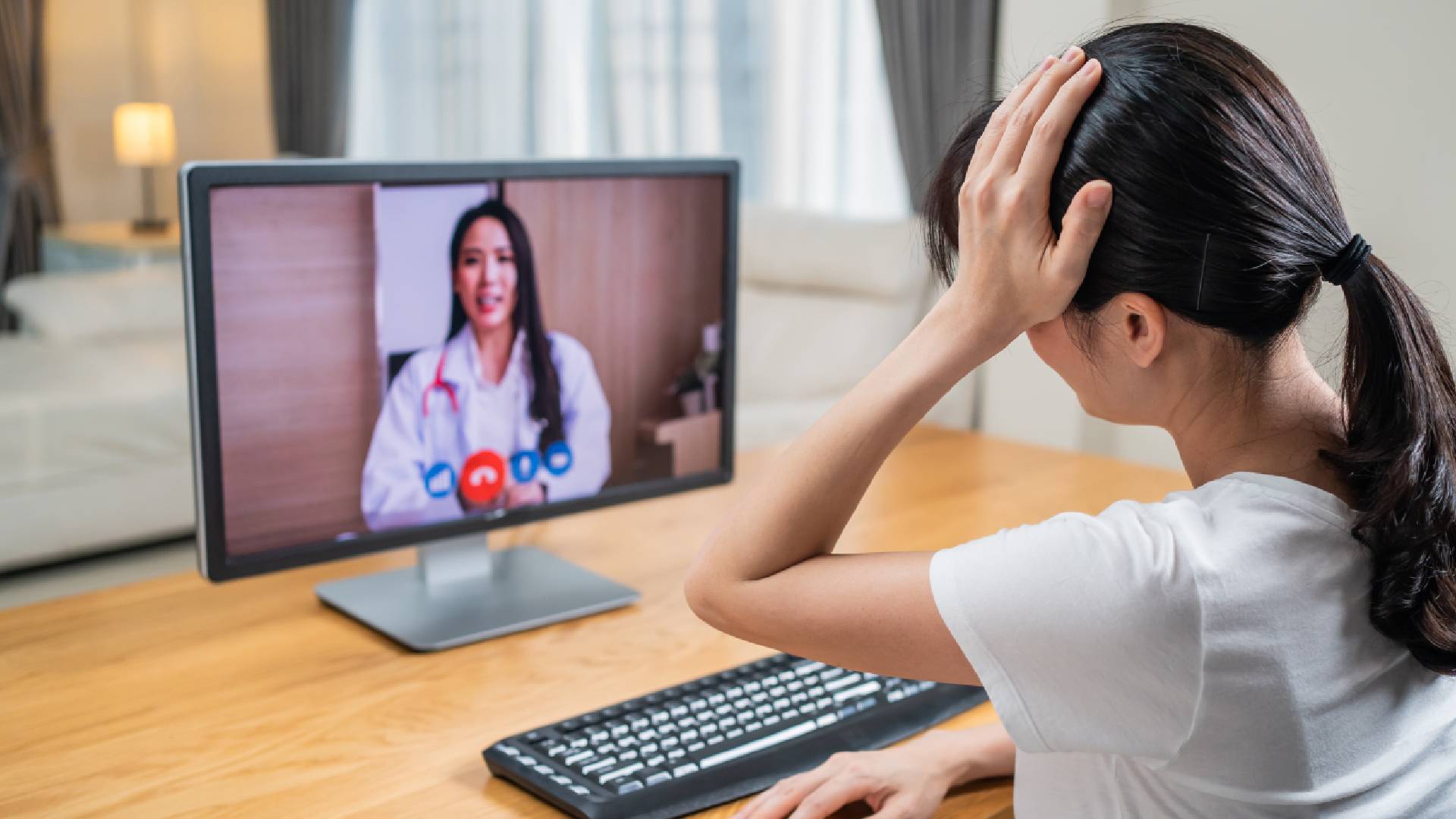
Understanding telehealth addiction recovery for professionals
Telehealth addiction recovery for professionals gives you access to structured treatment through secure video, phone, and online platforms instead of in‑person visits. You can attend counseling, medical appointments, and group sessions from your home, office, or any private space, while still receiving evidence‑based care that supports long‑term recovery.
Telehealth services now include virtual outpatient programs, intensive treatment, and continuing care. You can work with licensed clinicians, join online counseling for addiction, and participate in virtual peer support groups without stepping into a clinic. For many professionals with tight schedules or privacy concerns, this model makes it more realistic to get help and stay engaged in recovery.
How telehealth addiction treatment works
Telehealth addiction treatment uses secure technology to connect you with a full care team. You are not just speaking to someone over a casual video call. You are entering a HIPAA‑compliant clinical setting that happens to be virtual.
Typical components of telehealth care
When you enroll in a telehealth addiction treatment program, your care plan may include:
- Individual therapy sessions by secure video or phone
- Psychiatric evaluation and medication management
- Telemedicine MAT support when appropriate
- Online group therapy for addiction
- Family or couples sessions
- Digital tools for check‑ins, reminders, and recovery tracking
Telehealth platforms are designed to protect your privacy, using encrypted video, secure logins, and protected networks. Programs like Eleanor Health rely on end‑to‑end encryption, strict access controls, and audit logs so only authorized staff can see your records, consistent with HIPAA and 42 CFR Part 2 privacy rules [1].
Remote medication and monitoring
If medication is part of your plan, telehealth can include:
- Virtual visits with a prescribing clinician
- Electronic prescriptions sent to your local pharmacy
- Regular follow‑ups to monitor effectiveness and side effects
Medication Assisted Treatment (MAT) for substance use disorders can be safely initiated and managed via telehealth, which lets providers adjust your plan without requiring frequent in‑office visits [2]. Some programs also use wearable devices and digital tools to track sleep, activity, and other health data so your team can adjust care in real time [2].
Key benefits for busy professionals
If you balance demanding work, family responsibilities, or public‑facing roles, telehealth addiction recovery can remove many of the barriers that kept you from seeking help earlier.
Flexibility and time efficiency
Telehealth lets you schedule sessions around your day instead of the other way around. You avoid travel time, waiting rooms, and long commutes. This is especially important if you are enrolled in telehealth iop and php programs, where you may have multiple sessions per week.
Studies show that during the pandemic, more than half of addiction treatment services in some areas shifted successfully to telehealth, including intensive outpatient and individual counseling [3]. For you, that means you can access higher levels of care without stepping completely away from your professional role.
Greater privacy and reduced stigma
You might worry that colleagues, clients, or your community will notice if you attend an in‑person program. Telehealth reduces this exposure. You log in from a private space and your participation is protected by strong confidentiality laws, including HIPAA and 42 CFR Part 2, which restrict the sharing of substance use treatment records without your written consent [4].
Telehealth also allows you to avoid potential triggers you might encounter traveling to and from a clinic, such as passing bars or liquor stores. Remote therapy can help you stay focused on recovery while limiting unnecessary risk exposures [5].
Better access and higher treatment retention
If you live in a rural area, travel frequently, or have limited local services, telehealth expands your treatment options. You can work with specialized clinicians who understand professional licensing pressures, public safety roles, or high‑stress corporate environments, even if they are not located near you.
Virtual care has been associated with better attendance and adherence to treatment. One review noted that telehealth addiction care was generally as effective as in‑person care for retention, alliance, and substance use outcomes [3]. Other reports show that patients using telehealth for MAT are more likely to stay engaged in treatment, in part because barriers like transportation and scheduling conflicts are reduced [6].
Types of telehealth addiction programs available
You have options when you look for telehealth addiction recovery for professionals. Understanding the main levels of care can help you choose a starting point that fits your current needs.
Virtual outpatient and intensive programs
Outpatient telehealth services range from weekly sessions to highly structured programs that meet several days a week.
- Standard outpatient: Often one to three clinician visits per week, which may include remote recovery counseling, individual therapy, and medication check‑ins.
- Intensive Outpatient Program (IOP): Multiple sessions per week, often combining group therapy, individual counseling, and education. Many centers now deliver this format virtually, as in telehealth iop and php programs.
- Partial Hospitalization Program (PHP): A higher level of structured care, sometimes delivered through a hybrid of telehealth and in‑person services, designed for people who need more support but can remain at home.
If you want to stay employed while addressing your substance use, virtual outpatient therapy for recovery can offer a realistic path forward.
Dual diagnosis and co‑occurring care
Many professionals experience anxiety, depression, trauma, or burnout alongside substance use. Telehealth can integrate mental health and addiction care so you are not forced to choose one over the other.
With telehealth mental health and addiction services, you can:
- Be evaluated for mood, anxiety, trauma, and other conditions
- Receive coordinated treatment for both substance use and mental health
- Work with specialists in virtual dual diagnosis therapy or virtual therapy for co-occurring disorders
This integrated approach is important because addressing only one side often leads to relapse or persistent symptoms.
Trauma‑informed and specialty approaches
If your substance use is tied to traumatic experiences, such as workplace incidents, combat exposure, or adverse childhood experiences, telehealth can connect you with targeted trauma care. Programs that offer telehealth trauma therapy for recovery or virtual therapy for trauma and ptsd can help you process these events without leaving your secure environment.
You may also prefer spiritually integrated care. Faith-based telehealth treatment combines evidence‑based counseling with your values and beliefs, which can be especially grounding during stressful professional transitions.
Evidence for telehealth effectiveness in addiction care
You may question whether telehealth can truly match the effectiveness of in‑person treatment. Research to date is generally encouraging.
Clinical outcomes and engagement
A review of eight published studies found that telehealth addiction treatment was usually as effective as traditional care for:
- Treatment retention
- Therapeutic alliance
- Substance use outcomes
It was not consistently superior, but it matched in‑person care while improving convenience [3]. Another study from California during the COVID‑19 expansion of telehealth showed wide adoption across intensive outpatient, individual counseling, group counseling, and intake assessments, with providers reporting the most confidence in telehealth for individual counseling [3].
Teletherapy for substance use disorders, particularly when using cognitive behavioral therapy, has also demonstrated positive outcomes in helping people adjust behaviors critical to recovery [5].
Patient experience and barriers
Not every person finds telehealth effortless. In one study of patients receiving Medication for Opioid Use Disorders, about 31 percent reported barriers to telephone counseling as part of their treatment. The main issues were lack of privacy during calls, unstable access to phone or internet, and a preference for in‑person visits [7].
However, people who felt satisfied with telehealth, found it convenient, and believed it supported their recovery were significantly more likely to report no barriers to using it [7]. This suggests that when you have a private space, stable technology, and a clear understanding of how telehealth fits your goals, you are more likely to benefit from it.
Protecting your privacy and professional reputation
If you hold a license, security clearance, or leadership position, you may be especially concerned about confidentiality. Telehealth programs are built around privacy protections so you can seek help without unnecessary risk to your career.
Legal and technical safeguards
Telehealth addiction providers work within multiple layers of protection:
- HIPAA, which requires secure handling of your health information
- 42 CFR Part 2, which adds extra safeguards for substance use treatment records and generally requires your written consent before information is shared, even with other healthcare providers [4]
- State licensing and ethical standards for clinicians
Programs such as Eleanor Health use encrypted video platforms, secure servers, strong access controls, and staff training to ensure sessions take place in private settings and your identity is confirmed appropriately [1].
Steps you can take
You also play a role in safeguarding your privacy. To strengthen your own protections:
- Choose a quiet, private location for sessions
- Use headphones so others cannot hear your clinician
- Avoid public Wi‑Fi when possible and use secure networks
- Lock your devices with strong passwords or biometrics [1]
Employers and law enforcement generally cannot access your treatment records without your explicit consent, thanks to these confidentiality laws [4].
If you are unsure how treatment might intersect with your license or profession, it is reasonable to speak confidentially with an attorney or professional monitoring program before you begin.
What a typical telehealth recovery plan can include
Your telehealth plan should be tailored to both your clinical needs and your real‑world responsibilities. A thoughtful program usually combines several elements rather than relying on a single type of support.
| Component | How it supports you |
|---|---|
| Individual therapy | Addresses triggers, thought patterns, and coping skills specific to your professional and personal life |
| Group therapy | Provides peer support, accountability, and shared strategies in online group therapy for addiction |
| Medication support | Uses telemedicine mat support when appropriate to reduce cravings or withdrawal symptoms |
| Mental health care | Integrates telehealth mental health counseling for depression, anxiety, trauma, or stress |
| Trauma or specialty care | Draws on telehealth trauma therapy for recovery or faith‑based options as needed |
| Outpatient framework | Uses telehealth outpatient addiction care or IOP/PHP for structure and intensity |
| Relapse prevention | Builds skills through a telehealth relapse prevention program and online addiction aftercare program |
As you stabilize, you may step down from higher intensity services like telehealth IOP to ongoing remote recovery counseling and virtual peer support groups so you can maintain progress while your schedule returns to a more typical rhythm.
Insurance, affordability, and access
Many professionals worry that telehealth addiction care will not be covered or that virtual services are considered “less” than in‑person treatment. In practice, coverage for telehealth has expanded significantly.
Working with insurance
A growing number of plans reimburse telehealth at the same rate as in‑person visits for medically necessary treatment. Programs that specialize in insurance-covered telehealth addiction care can help you:
- Verify benefits
- Understand copays and deductibles
- Determine what levels of care are covered
- Explore in‑network options for telehealth IOP, outpatient, or MAT
If you do not have insurance or have limited coverage, national resources like SAMHSA’s National Helpline can connect you with state‑funded programs, community clinics, and providers that offer sliding fee scales or accept Medicaid or Medicare [8].
National referral and support resources
You can call SAMHSA’s National Helpline 24 hours a day, 365 days a year, for confidential referrals and information in English and Spanish. This service does not provide counseling but links you to local treatment facilities, support groups, and community organizations, including those offering telehealth options [8].
If you prefer text, you can send your ZIP Code to 435748 (HELP4U) to receive treatment referrals via SMS, which is another low‑barrier telehealth tool for finding care [8].
Deciding if telehealth is right for you
Telehealth addiction recovery for professionals is not an all‑or‑nothing decision. You can combine virtual and in‑person services or adjust your plan as your needs change.
Telehealth tends to be a strong fit if you:
- Need to maintain work or family roles while in treatment
- Are concerned about privacy and visibility in your local community
- Live far from specialized programs or travel frequently
- Are comfortable with technology and can secure a private space
If you feel safer or more grounded in a clinic setting, you can start in person and transition later to telehealth outpatient addiction care or a telehealth relapse prevention program as you stabilize.
Whatever path you choose, it is important to remember that seeking help is a professional strength, not a weakness. Telehealth simply gives you more practical ways to take that step.