
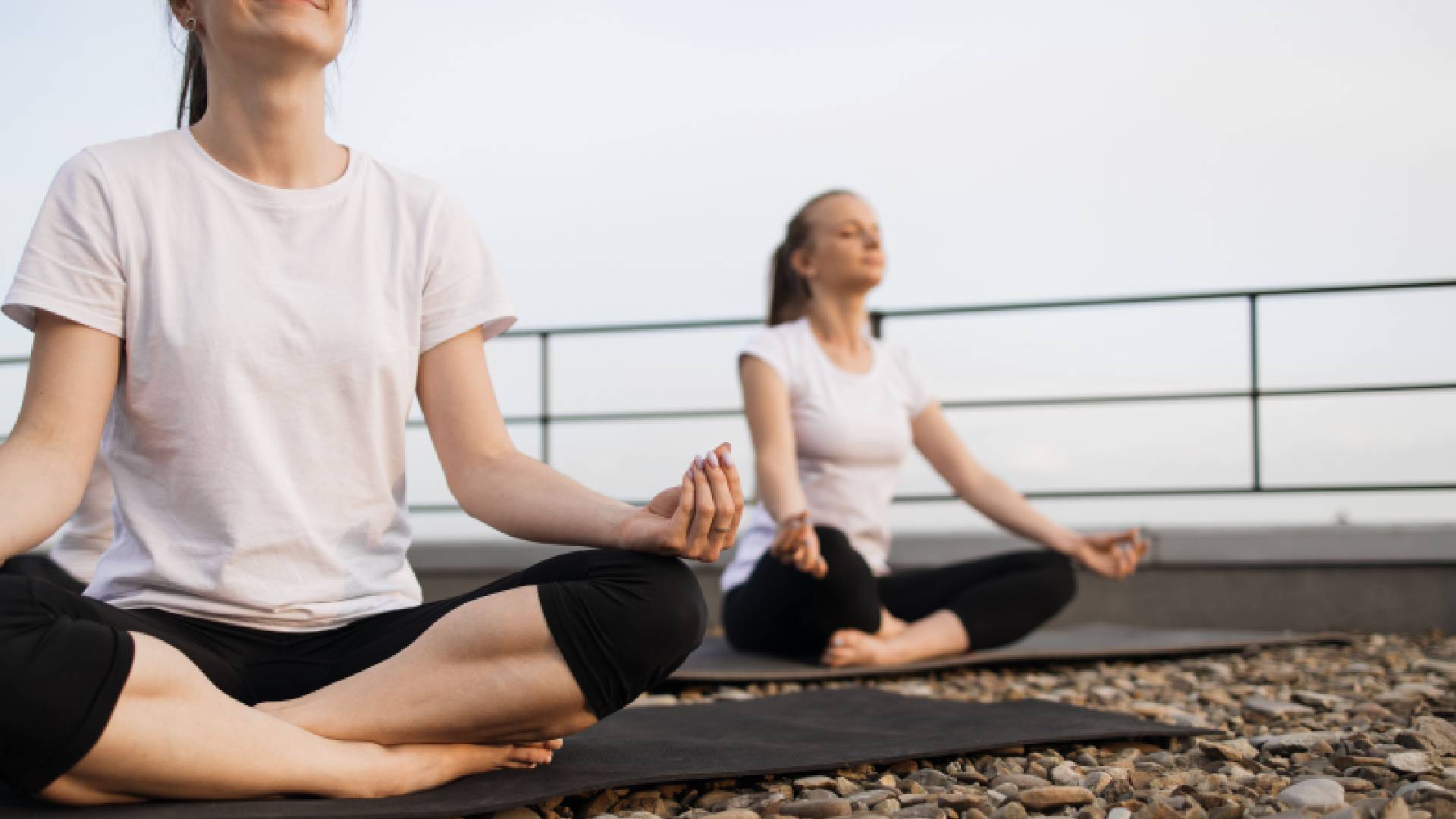
Understanding yoga therapy in addiction treatment
When you think about addiction treatment, you might picture medical detox, talk therapy, or support groups. Yoga therapy in addiction treatment adds another vital layer by working with your body, breath, and mind at the same time.
Yoga-based care typically combines physical postures (asanas), breath work (pranayama), and meditation to support healing of mind, body, and spirit during recovery from substance use disorders [1]. Rather than replacing evidence-based treatment, yoga functions as a complementary therapy that supports the work you are already doing in counseling, group therapy, and family work.
For many individuals and families, this holistic approach is especially meaningful because it aligns with a desire for emotional, spiritual, and relational healing, not only symptom reduction.
How yoga supports the recovery process
Yoga therapy touches many of the core challenges that show up in recovery, including stress, cravings, and difficult emotions. Integrating it into a comprehensive plan can help you reduce stress, regulate emotions, improve mental clarity, and strengthen resilience, all of which are crucial for coping with cravings and maintaining long-term sobriety [1].
Reducing stress and calming the nervous system
Substance use often becomes a way to manage overwhelming stress. When you stop using, that same stress can feel even louder. Yoga provides a healthy path to calm your nervous system through movement and breath.
Gentle poses, mindful stretching, and slow breathing activate the parasympathetic nervous system, which is your body’s relaxation response. Research notes that mindful breathing and movement can help calm the nervous system, reduce stress levels, and improve mood by influencing neurotransmitters like GABA, which is associated with reduced anxiety and greater emotional stability [2].
Over time, this teaches your body that it is possible to move from tension to safety without using substances.
Strengthening emotional regulation
In active addiction, emotions may feel too big or too distant. You might swing between numbing out and feeling flooded. Yoga therapy helps you notice what is happening inside and respond instead of react.
Regular practice boosts your capacity to sit with discomfort, become aware of sensations, and breathe through them. The benefits of yoga in addiction treatment extend beyond the physical to enhance self-awareness and emotional regulation, helping you recognize and respond to feelings in a more nonjudgmental way [1].
This skillset fits closely with approaches like mindfulness-based relapse prevention and meditation for emotional regulation, both of which are designed to help you pause, observe, and choose a healthier behavior when you feel triggered.
Supporting detox and physical recovery
Early recovery can involve withdrawal symptoms, fatigue, aches, and disrupted sleep. Yoga can gently support your body as it stabilizes. According to the Positive Sobriety Institute, regular practice can aid detoxification by increasing oxygen flow to cells and assisting the body in toxin elimination, which may help you manage some withdrawal-related discomfort [2].
As your recovery continues, yoga also helps rebuild physical strength and flexibility that may have been diminished by substance misuse. These physical gains contribute to a sense of capability and confidence, which can be protective when you encounter stress or cravings.
If your treatment program includes a broader holistic wellness recovery program, yoga often sits alongside nutrition support, sleep hygiene, and gentle exercise to restore your overall health.
Yoga, cravings, and relapse prevention
One of the most valuable roles of yoga therapy in addiction treatment is its impact on cravings and relapse risk. Recovery does not mean you will never feel triggered again, but it does mean you can build new ways to respond.
Mindfulness and self-control in difficult moments
Cravings often show up as intense urges in your body, racing thoughts, and emotional distress. Yoga gives you a structured way to observe these sensations without acting on them.
By paying attention to your breath and bodily sensations during practice, you train the same skills you need when a craving arises in daily life. This is one reason evidence suggests that yoga supports relapse prevention by fostering mindfulness, self-control, and a deeper mind-body connection, offering healthy coping mechanisms that help you navigate triggers and cravings more effectively [1].
When paired with therapies that focus on thought patterns and behavior, such as CBT or holistic mindfulness addiction care, yoga becomes a practical tool you can use in real time when you feel at risk.
Evidence from research on cravings
A narrative review published by the National Drug Dependence Treatment Centre at AIIMS in New Delhi examined 16 studies on yoga therapy in substance use disorders and found that most of the randomized controlled trials involved nicotine dependence. Across these trials, yoga interventions, including Sudarshan Kriya, pranayama, Hatha, and Vinyasa Yoga, were associated with short-term reductions in substance use and cravings [3].
Multiple RCTs showed that participants in yoga conditions often had greater reductions in nicotine cravings and higher short-term abstinence rates than those in control groups, although sustained effects beyond three months were less clear [3].
Research in alcohol, opioid, and cocaine use disorders is more limited, with small sample sizes and varied methods, but existing data point to possible benefits such as reduced depression and stress and improved quality of life, while also highlighting the need for more rigorous and longer-term studies [3].
What this means for you is that yoga is not a cure on its own, yet it shows real promise as a practical way to reduce cravings and support abstinence, especially when integrated into a broader treatment plan.
Types of yoga commonly used in treatment
Not all yoga in addiction treatment looks the same. Programs use different styles depending on your physical condition, treatment phase, and therapeutic goals. Health professionals and treatment centers utilize yoga as a holistic approach for substance use disorders involving alcohol, nicotine, opiates, and barbiturates, choosing specific practices to support both physical and mental health [2].
Gentle and foundational practices
In the early stages of recovery, or if you are working with health issues, gentler forms of yoga are typically introduced:
- Hatha yoga focuses on slower, basic postures combined with breath awareness. This makes it accessible for beginners and people rebuilding strength.
- Yin yoga uses long, passive holds with deep breathing to release tension and promote relaxation, which can be particularly soothing if you experience anxiety or insomnia.
Both styles help you reconnect with your body in a safe way and are often integrated into holistic therapy for addiction recovery.
More active practices
As your stability improves, you may be introduced to more dynamic forms such as Vinyasa yoga or structured classes like Hot or Bikram yoga. These practices link movement with breath in a flowing sequence, which can:
- Improve cardiovascular fitness and strength
- Support detoxification by stimulating circulation and sweating
- Provide a focused outlet for restlessness or agitation
Specific types of yoga such as Hatha, Vinyasa, Hot, Bikram, and Yin yoga are all being used in addiction treatment programs to reduce anxiety, improve physical strength, support detoxification, ease muscle tension, and promote mental stability [2].
If you participate in an outdoor experiential recovery program, you might also encounter yoga practiced outdoors, where nature and movement reinforce each other to deepen grounding and presence.
Yoga as experiential and holistic healing
Yoga therapy is part of a broader movement toward experiential healing in recovery. Instead of only talking about your experiences, you engage your body, senses, and creativity directly, which can access parts of your story that are hard to reach with words alone.
Connecting yoga with other experiential therapies
Many treatment centers pair yoga with other experiential modalities to create a well-rounded approach. For example, you might explore:
- Art therapy for emotional healing to give shape and color to feelings that are difficult to verbalize
- Music therapy in addiction recovery to work with rhythm, sound, and expression
- Experiential therapy for trauma to process painful memories in a contained and embodied way
- Breathwork therapy for recovery for deeper nervous system regulation
Each of these approaches, like yoga, invites you to notice what your body holds and to move that energy in a healing direction. If you are drawn to creativity or movement, creative therapy for addiction recovery may also be an important part of your plan.
Spiritual and meaning-centered aspects
For many people, yoga has a spiritual dimension that goes beyond exercise. The practice of presence, compassion, and non-harming can support your search for meaning and connection in sobriety.
If spirituality is important to you, yoga may complement spiritual therapy in recovery or faith-based holistic recovery. You can explore what feels authentic for you, whether that is a traditional faith framework, a broader sense of connection, or simply a deepening relationship with your own values.
This spiritual grounding often becomes a source of strength during difficult seasons in recovery and can reshape your sense of identity beyond your history with substances.
Role of yoga in co-occurring mental health conditions
Substance use disorders frequently occur together with anxiety, depression, or trauma-related difficulties. Yoga therapy can play a supportive role in addressing these layers alongside formal mental health treatment.
According to American Addiction Centers, yoga therapy can help with co-occurring conditions like anxiety, depression, and trauma by helping you manage stress, process emotions, and cultivate inner peace [1]. The combination of mindful movement, breath regulation, and present-moment awareness offers an accessible way to interrupt cycles of ruminating, panic, or emotional shutdown.
While limited studies in alcohol, opioid, and cocaine use disorders show preliminary benefits such as reduced depression and improved quality of life, researchers emphasize that more rigorous and longer-term RCTs are needed to draw stronger conclusions [3]. In practice, this means you should see yoga as a supportive tool that works best in collaboration with therapy, medication when indicated, and other structured services.
If trauma has impacted your family system, integrating yoga with trauma-informed family counseling and family therapy in addiction recovery can help address both individual and relational wounds.
How families can engage with yoga therapy
Addiction rarely affects one person in isolation. Family members carry their own stress, grief, and confusion. Involving loved ones in healing practices like yoga can support both your personal recovery and the health of the entire family system.
Participating in family-focused sessions
Some programs offer yoga sessions designed for families, where loved ones learn simple breathwork and movement practices together. These shared experiences can:
- Reduce tension and defensiveness
- Create a calmer environment for difficult conversations
- Model healthy coping strategies for children and adolescents
- Reinforce the idea that recovery is a family journey, not just an individual task
If you are already engaged in family education for addiction healing or group therapy for family healing, adding yoga can make the work feel more grounded and less overwhelming. Over time, families often find that having a shared calming practice changes how they move through conflict and stress at home.
Supporting relapse prevention as a family
Families also have a powerful role in relapse prevention. Including yoga in a family relapse prevention plan can look like:
- Practicing short breathing exercises together during high-stress moments
- Respecting and protecting time for your individual yoga or meditation practice
- Encouraging gentle movement instead of confrontation when tension rises
- Using skills from family involvement in relapse prevention to align on how you will respond to triggers
These small choices send an ongoing message that your healing matters and that the family is willing to shift patterns alongside you.
What to expect when starting yoga in treatment
If you are considering yoga therapy in addiction treatment, you might wonder what it will actually look like day to day. The experience is usually tailored to your physical abilities, emotional needs, and treatment level.
During residential or intensive treatment
In structured settings, yoga is often scheduled several times per week, sometimes daily. Sessions might be:
- Trauma-informed and gentle, especially early in detox or treatment
- Focused on foundational postures and safe alignment
- Paired with guided breathing and short meditations at the beginning or end
Your instructor will likely check in about your energy level, pain, and emotional state before class. On days when you feel depleted, you may be invited to rest more and move less. On days when you feel restless or agitated, you might use more active sequences to channel that energy.
If you are in a program that emphasizes integrative therapy for families, you may also have opportunities to discuss how yoga, counseling, and family work are informing each other.
As you transition to ongoing care
After leaving an intensive program, yoga can remain part of your aftercare plan. You might:
- Join community classes, ideally with instructors who understand trauma sensitivity and addiction recovery
- Use online videos to maintain a home practice at your own pace
- Combine yoga with ongoing individual therapy, support groups, or spiritual communities
Many people find it helpful to schedule yoga around times of day that feel most vulnerable, such as evenings or weekends. This routine can anchor your day and give you something to lean on when stress builds.
In long-term recovery, yoga often shifts from being primarily about symptom management to becoming part of your identity and way of life. It can support your continuing growth as you rebuild relationships, pursue work or education, and redefine what a meaningful life looks like.
In the context of addiction treatment, yoga is not about perfect poses. It is about learning, one breath at a time, that you can stay present with yourself without needing to escape.
Deciding if yoga therapy is right for you
Yoga therapy is not required for recovery, and it may not be the right fit for every person or every season. It can, however, be a powerful ally if you are looking for approaches that honor the connection between your body, emotions, and relationships.
You might find yoga therapy in addiction treatment especially helpful if:
- You feel disconnected from your body or overwhelmed by physical sensations
- You want nonverbal ways to work with anxiety, grief, or trauma
- You are drawn to mindfulness, spirituality, or holistic approaches
- Your family is seeking shared practices that support calm and connection
If these themes resonate, you may want to explore programs that integrate yoga with holistic therapy for addiction recovery and broader holistic mindfulness addiction care. Talking with your treatment team about your physical health, trauma history, and personal preferences will help ensure that yoga is introduced in a safe, intentional way.
For families and individuals alike, yoga offers a concrete path toward feeling more at home in your own body, more present in your relationships, and more grounded in your recovery. As part of a thoughtful, evidence-informed treatment plan, it can support not only sobriety, but also the deeper emotional and spiritual healing that so many people seek.