
Understand telehealth group therapy
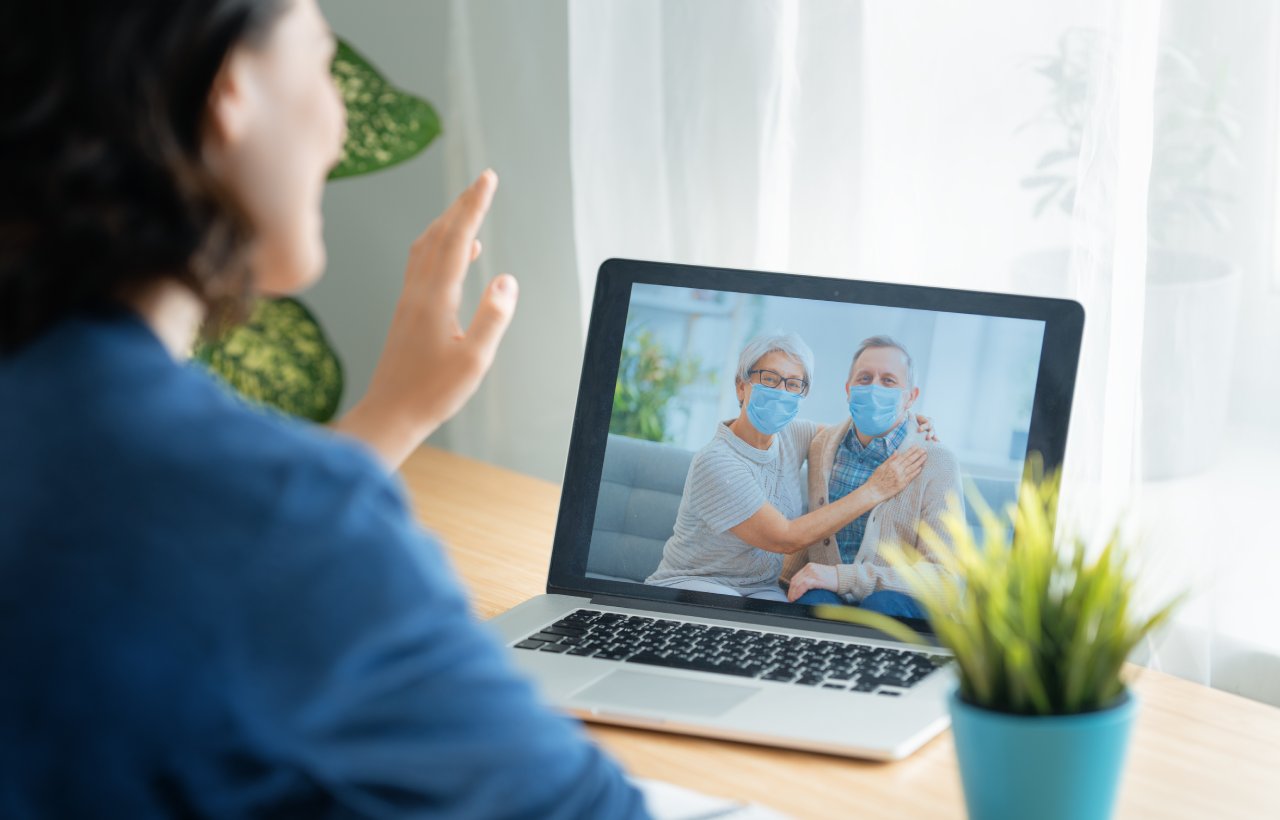
Telehealth group therapy for addiction offers a way to connect you with peers and clinicians without leaving home. By using secure video conferencing and digital communication tools, you can attend guided sessions that focus on recovery, coping strategies, and mutual support. This model brings the core elements of group therapy—shared experiences, accountability, and structured discussions—into a virtual space, creating a supportive environment tailored to your needs.
Key components of telehealth group therapy include:
- Scheduled video meetings led by licensed therapists
- Structured agendas covering topics such as relapse prevention, stress management, and life skills
- Interactive exercises, including breakout rooms for small-group discussions
- Digital resources and homework assignments to reinforce learning
As a part of an integrated continuum of care, telehealth group sessions often complement individual counseling, medication management, and educational workshops. By combining multiple modalities, you benefit from tailored treatment programs and comprehensive care designed to address substance abuse, mental health, and co-occurring disorders all in one place.
Explore proven telehealth benefits
Telehealth group therapy breaks down barriers that might otherwise keep you or a loved one from getting help. In addition to its core therapeutic value, it delivers practical advantages that can accelerate your journey to lasting recovery.
Increased accessibility and convenience
- No travel required: You avoid arranging transportation, saving time and reducing stress (Renew Health).
- Flexible scheduling: Virtual sessions can fit around work, school, or family responsibilities, making it easier to stay engaged.
- Expanded reach: Rural or underserved communities gain reliable access to specialized clinicians, as demonstrated by the University of Maryland Baltimore’s RV mobile-care unit initiative (Telehealth HHS).
Cost effectiveness and flexibility
- Lower overhead: Digital delivery reduces costs for providers, which can translate into more affordable care for you.
- Reduced ancillary expenses: You save on parking, childcare, or time off work.
- Hybrid possibilities: Combining telehealth with in-person visits gives you a flexible plan that adapts to your progress and needs (Renew Health).
Overcoming stigma and privacy concerns
Attending sessions from a private setting may feel safer when discussing sensitive topics. Telehealth ensures confidentiality through encrypted platforms that meet HIPAA standards, so you can focus on recovery rather than worrying about running into someone you know.
Review evidence of telehealth efficacy
A growing body of research confirms that telehealth can be as effective as traditional in-person care, especially when it comes to treating substance use disorders and co-occurring mental health conditions.
Individual therapy outcomes
Telehealth visits for individual counseling have consistently shown positive results in improving substance use disorder outcomes. According to the U.S. Department of Health and Human Services, online sessions can be part of an integrated approach to SUD treatment, yielding similar progress to face-to-face visits (Telehealth for Substance Use Disorder Treatment – HHS.gov).
Group therapy outcomes
Research in the Journal of Clinical Psychology compared an in-person Dialectical Behavior Therapy (DBT) intensive outpatient program (IOP) to a videoconference-delivered DBT program for individuals with co-occurring mental health and substance use disorders. Both groups experienced large reductions in symptoms of depression, anxiety, and stress, with no significant differences between delivery formats (Journal of Clinical Psychology).
Further evidence shows that telemedicine patients in continuing opioid agonist therapy had a 50% retention rate after one year—higher than the 39% retention for in-person patients—highlighting the potential for telehealth to improve long-term engagement (PMC).
Hybrid care advantages
Experts suggest that the future of addiction treatment lies in a hybrid model, combining telehealth’s convenience with in-person care’s hands-on support. Studies indicate that patients attending hybrid programming stay in treatment longer and are less likely to leave against staff advice (NCBI).
| Feature | Telehealth group therapy | In-person group therapy |
|---|---|---|
| Accessibility | High, no commute needed | Dependent on local availability |
| Cost | Reduced travel and facility costs | Higher overhead for facilities |
| Flexibility | Evening and weekend options | Fixed scheduling in a physical space |
| Efficacy | Proven equivalent in key studies | Established track record |
| Retention | Up to 50% after one year | Around 39% after one year |
Discover Creative Recovery’s telehealth approach
When you choose Creative Recovery’s telehealth group therapy, you gain access to an industry-leading program designed around your unique challenges and goals. Our commitment to comprehensive care and individualized plans ensures you receive the support necessary for lasting recovery.
Tailored group treatment programs
At Creative Recovery, we offer specialized group tracks that address substance abuse, mental health, and dual-diagnosis needs. Whether you’re joining our telehealth dual diagnosis treatment or participating in a focused relapse prevention workshop, each session is crafted to meet your specific stage of recovery.
Expert facilitators and peer support
Our licensed therapists bring years of experience in both remote and in-person settings. They guide dynamic group discussions, teach evidence-based coping skills, and foster a supportive environment where you and your peers can share experiences safely and openly. Group sizes are kept intimate to encourage connection and accountability.
Comprehensive care integration
Telehealth group therapy is one part of a broader continuum. You can seamlessly combine it with:
- Telehealth IOP for substance abuse for structured daily support
- Telehealth relapse prevention program to reinforce strategies as you transition
- Individual teletherapy sessions for personalized attention
- Medication management check-ins via telepsychiatry
This integrated approach ensures your treatment plan evolves as you progress, minimizing gaps in care and reinforcing each milestone you achieve.
Technology and privacy standards
We use secure, HIPAA-compliant platforms that are easy to access from smartphones, tablets, or computers. Before your first session, our care team will guide you through a technology check and provide resources on best practices to maintain privacy and troubleshoot common issues.
Prepare for telehealth group sessions
Getting ready for your first virtual group meeting can set the stage for success. Follow these guidelines to make the most of each session.
Technical requirements
- Reliable internet connection (minimum 5 Mbps download/upload)
- Device with a camera and microphone (laptop, tablet, or smartphone)
- Headphones or earbuds to reduce background noise
- Up-to-date web browser or the designated telehealth app
Best practices for engagement
- Choose a quiet, well-lit space free from distractions
- Join sessions a few minutes early to test audio and video
- Dress as you would for an in-person appointment to put yourself in the right mindset
- Mute when you’re not speaking to minimize background noise
- Use chat or reaction features to ask questions or show support
- Commit to confidentiality by keeping session details private
By preparing thoughtfully, you help create a stable, respectful group dynamic where everyone can fully engage.
Start your path to recovery
Embarking on telehealth group therapy with Creative Recovery is simple and supportive. Here’s how to begin:
How to enroll
Contact our admissions team to schedule a free assessment. We’ll review your history, discuss your goals, and recommend a telehealth group track that aligns with your needs.
Insurance and affordability
We accept most major insurance plans and offer flexible payment options to make high-quality care accessible. During your assessment, we’ll verify benefits and explain any out-of-pocket costs so there are no surprises.
Next steps and ongoing support
Once enrolled, you’ll receive a welcome packet with session schedules and technology guidelines. After completing group therapy, you can transition into additional services such as:
- Aftercare program for men’s recovery
- Aftercare program for women’s recovery
- Aftercare planning for dual diagnosis clients
Our goal is to stand by you at every stage, providing the empathy, expertise, and encouragement necessary for healing. Reach out today to discover how Creative Recovery’s telehealth group therapy can become the cornerstone of your lasting transformation.