
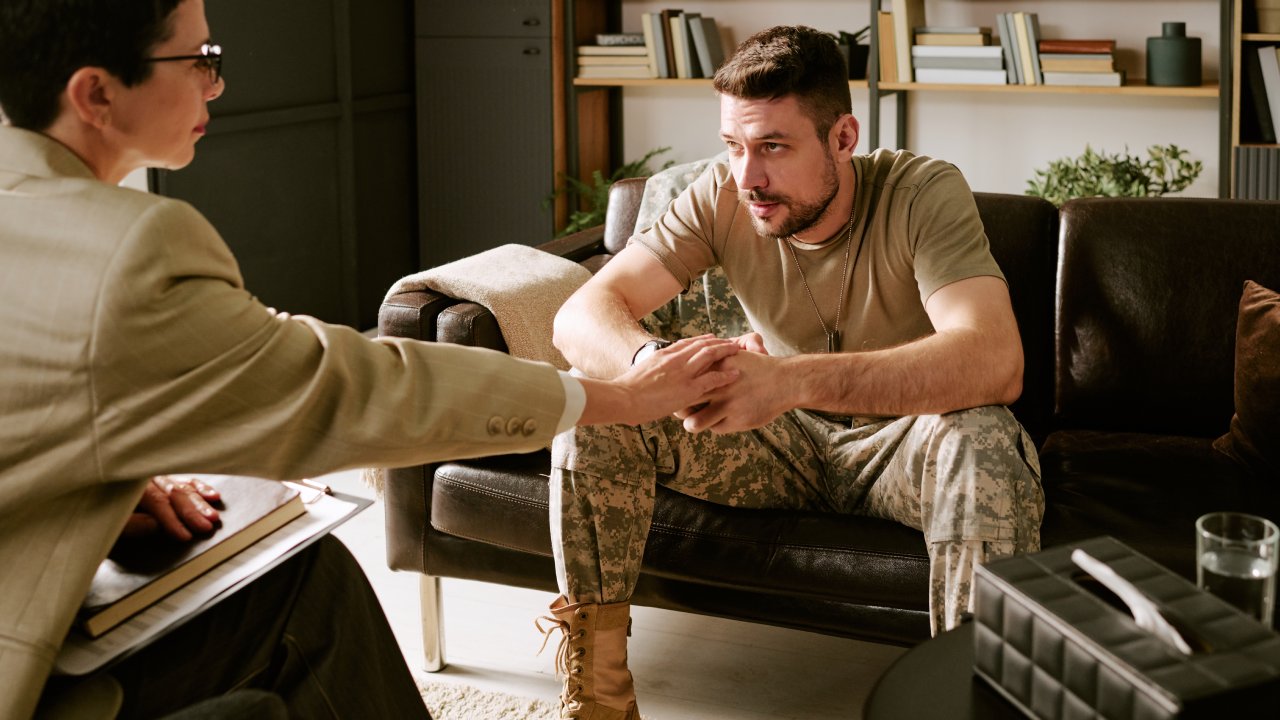
Benefits of Outpatient Rehab for Veterans
Outpatient rehab programs for veterans provide essential support for those battling substance use disorders while allowing them to maintain their everyday lives. This treatment option is designed with the unique needs of veterans in mind, offering flexibility and comprehensive care.
Flexibility in Treatment Schedule
One of the primary advantages of an outpatient rehab program for veterans is the flexibility it offers in scheduling treatment. Unlike inpatient rehab, where patients reside on-site for the duration of their treatment, outpatient programs allow veterans to attend therapy sessions and receive treatment on a part-time basis. This structure enables you to balance recovery with other responsibilities, such as work and family life. Veterans can continue their daily routines while accessing vital support and care.
Outpatient programs typically include a range of services, such as:
| Treatment Service | Description |
|---|---|
| Individual Therapy | One-on-one sessions with a therapist to address personal challenges. |
| Group Therapy | Supportive group sessions that foster community and mutual understanding. |
| Medication Management | Ongoing assessment and management of prescribed medications. |
| Life Skills Training | Instruction on essential skills for daily living and recovery. |
This comprehensive approach to treatment ensures that veterans receive the support they need without the disruption of daily life.
Maintaining Work and Family Life
Outpatient rehab programs are particularly beneficial for veterans who wish to maintain their professional and personal commitments during treatment. Many individuals may have family responsibilities or careers that require their attention, making it difficult to take time off for inpatient rehab.
By participating in an outpatient program, you can continue working while attending therapy sessions tailored to your needs. This allows for a smoother transition back to daily life and helps in rebuilding relationships and responsibilities that may have been affected by substance use.
Additionally, programs often integrate treatment for co-occurring mental health disorders, such as PTSD or anxiety. Addressing these conditions is essential for long-term recovery and relapse prevention. Treatment plans are personalized to promote sustained change, making these programs particularly impactful for veterans seeking a holistic approach to recovery.
To learn more about outpatient rehab options, consider exploring outpatient alcohol detox programs or outpatient drug detox treatment. These resources can help you find the right support structure for your recovery journey.
Components of Outpatient Rehab Programs
Choosing an outpatient rehab program for veterans can provide essential support through various components designed to address addiction, mental health, and dual diagnosis treatment needs. Key elements of these programs include individual and group therapy, medication management, and life skills training.
Individual and Group Therapy
Outpatient rehab programs typically incorporate both individual and group therapy sessions. These sessions are crucial for providing a safe space to explore feelings, challenges, and progress in recovery. Individual therapy allows you to work one-on-one with a trained therapist, setting personalized goals and addressing specific issues related to addiction or mental health.
| Therapy Type | Description |
|---|---|
| Individual Therapy | Personalized sessions focusing on unique challenges and strategies. |
| Group Therapy | Collaborative sessions with peers, fostering support and shared experiences. |
Group therapy encourages interaction with others facing similar struggles, promoting community support and recovery fellowship. Programs often include community support and 12-step group meetings like Alcoholics Anonymous (AA) or Narcotics Anonymous (NA) as part of the structure (veteranaddiction.org).
Medication Management
Medication management plays a vital role in outpatient rehab programs, particularly for veterans who may be dealing with co-occurring mental health conditions such as PTSD or depression. The VA offers counseling and therapy options, medication alternatives, and ongoing support for substance use problems (VA.gov).
| Medication Management Component | Purpose |
|---|---|
| Assessment | Regular evaluations to monitor medication effectiveness and side effects. |
| Adjustment | Tailoring medication plans based on individual needs and responses. |
This aspect of treatment ensures you are receiving the appropriate support for medication needs, helping manage cravings and emotional challenges.
Life Skills Training
Life skills training is another essential component of outpatient rehab programs. It equips you with valuable tools and resources necessary for sustained recovery and daily functioning. This training typically includes:
| Life Skill Training Areas | Description |
|---|---|
| Coping Strategies | Techniques to handle stress, triggers, and cravings effectively. |
| Communication Skills | Building healthy relationships and effectively expressing needs. |
| Problem-Solving Skills | Developing strategies to address life challenges constructively. |
Through these skills, you strengthen your capacity to navigate daily life and contribute to long-term recovery success. For comprehensive support, exploring additional services like outpatient dual diagnosis therapy programs can enhance your treatment experience.
Focus on Co-Occurring Mental Health Disorders
Addressing co-occurring mental health disorders is essential when designing an effective outpatient rehab program for veterans. These disorders often include conditions such as PTSD, anxiety, and depression, which may complicate recovery from substance use. Outpatient programs strive to integrate these treatments to ensure comprehensive care.
Integrated Mental Health Treatment
In outpatient rehab programs, integrated mental health treatment involves simultaneously addressing both substance use disorders and any associated mental health issues. This holistic approach focuses on the mental well-being of veterans while managing their addiction.
The U.S. Department of Veterans Affairs (VA) emphasizes the importance of integrating treatment, providing a combination of individual and group therapy specialized for veterans. Here’s a breakdown of typical components:
| Treatment Component | Description |
|---|---|
| Individual Therapy | One-on-one sessions tailored to each participant’s unique mental health needs. |
| Group Therapy | Facilitated discussions that provide peer support and help veterans share experiences. |
| Medication Management | Coordination with healthcare providers for prescriptions to manage symptoms of mental health disorders. |
By combining these services, veterans can develop crucial coping strategies, minimizing the risk of relapse and promoting overall mental health.
Coping Strategies and Support
Part of effective treatment in outpatient rehab programs includes teaching veterans practical coping strategies to manage their mental health. These skills help veterans recognize triggers, reduce anxiety, and handle stress in healthy ways.
Some commonly employed strategies may include:
- Mindfulness Techniques: Encouraging veterans to stay present and focused, this technique can help alleviate anxiety by redirecting thoughts.
- Cognitive Behavioral Therapy (CBT): This form of therapy addresses negative thought patterns and behaviors associated with both substance use and mental health challenges.
- Support Groups: Engaging with others who share similar struggles can create a network of support that is vital for long-term recovery.
Having a solid support system is crucial for veterans in recovery. Many outpatient rehab programs also offer access to additional resources, including outpatient dual diagnosis therapy programs and aftercare planning for addiction recovery. This ensures that you and your loved ones can navigate the challenges of recovery together, promoting healing and resilience in the long run.
Accessing Outpatient Rehab Programs
Accessing outpatient rehab programs can be a straightforward process for veterans seeking treatment for substance use issues. Understanding how to apply for VA health care and exploring private counseling options can provide you or your loved one with the right path to recovery.
Applying for VA Health Care
Veterans can access VA services for substance use problems by first applying for VA health care. After your application, if you have a VA primary care provider, you can discuss your substance use concerns to receive appropriate screening, treatment, and support (VA.gov).
To guide you through the application process, here are the general steps:
| Step | Description |
|---|---|
| 1. Apply for VA Health Care | Complete the health care application form, which can be done online, by mail, or in-person. |
| 2. Schedule a Primary Care Appointment | If eligible, set up an appointment with your VA primary care provider to discuss your needs. |
| 3. Receive Screening | Undergo screening to evaluate your substance use issues and determine the best treatment options. |
| 4. Access Treatment | Participate in outpatient rehab programs or other approved treatment services. |
Eligible veterans can also receive treatment through approved community care providers under the community care program as long as they meet specific requirements and obtain prior approval from the VA (Veteran Addiction). This can simplify access to necessary services.
Private Counseling and Community Support
For veterans who have served in combat zones but do not have VA health care benefits, there are additional options available. Free private counseling, alcohol and drug assessment, and other support services are offered at one of the 300 community Vet Centers (VA.gov). This can provide a valuable resource, particularly for those looking for immediate assistance.
Here are some types of support available:
| Support Type | Description |
|---|---|
| Community Vet Centers | Offer free services for veterans, including counseling and treatment assessments. |
| Private Counseling | Access to community-based support for substance use issues that supplements VA care. |
| Approved Community Care Providers | Facilities that accept VA benefits, allowing veterans to receive essential treatment services. |
Veterans seeking outpatient rehab programs can benefit from understanding the resources available through VA health care and community support. With these options, tailored treatment can be accessible, helping you or your loved one pursue a successful recovery journey. For more information on outpatient programs, explore our articles on outpatient rehab for alcohol treatment and outpatient rehab for drug addiction.
VA Outpatient Rehab vs. Inpatient Treatment
When considering treatment options for substance use disorders, understanding the differences between outpatient and inpatient rehab is essential. Each approach provides unique benefits tailored to individual circumstances.
Living Arrangements and Intensity of Care
Inpatient treatment involves individuals living on-site at a facility for the duration of their rehabilitation. This setup offers a structured environment with 24/7 specialist support, ideal for those needing a stable routine and immersive care in a safe space. This option is particularly beneficial for veterans requiring close monitoring and constant access to health professionals, as the programs often address the unique challenges faced by this demographic (Sober First Recovery).
Conversely, outpatient rehab allows participants to live at home while attending scheduled therapy sessions at the treatment center. This setting provides the flexibility to maintain daily responsibilities, such as work and family commitments, while still receiving thorough support. Outpatient programs typically integrate services like individual and group therapy, medication management, and community support (veteranaddiction.org). Below is a comparison of the two treatment types:
| Feature | Inpatient Treatment | Outpatient Treatment |
|---|---|---|
| Living Arrangement | On-site at the facility | Home |
| Level of Care | 24/7 structured support | Scheduled visits for therapy |
| Flexibility | Limited flexibility | High flexibility |
| Ideal for | Severe cases requiring intensive care | Clients needing to maintain daily life |
| Focus | Comprehensive recovery in a controlled setting | Integrated care with community support |
Tailoring Treatment to Individual Needs
Both outpatient and inpatient rehab programs are designed to be personalized, addressing the specific needs of each veteran. Outpatient programs focus on providing evidence-based medical and behavioral health treatment while allowing veterans to maintain their everyday lives. Programs often include therapy sessions, life skills training, and psychoeducation, forming a comprehensive approach to treatment (veteranaddiction.org).
In contrast, inpatient treatment is more structured and can be beneficial for veterans who may struggle with the challenges of managing their recovery in an outpatient setting. Treatment plans cater to the recovery journey, emphasizing specialized programs such as medication-assisted therapies, cognitive-behavioral therapy (CBT), and trauma-focused therapy to meet the distinct needs of veterans (WeWantRelief).
Each individual’s recovery journey is unique, making it vital to select a program that aligns with their personal circumstances and goals. Knowing how these two options differ allows you to make an informed decision tailored to your or your loved one’s recovery needs. To explore further options, consider looking into outpatient rehab for alcohol treatment or outpatient rehab for drug addiction.
Success Stories and Statistics
Patient Engagement and Satisfaction
High levels of patient engagement and satisfaction are critical indicators of the effectiveness of an outpatient rehab program for veterans. Evidence shows that more than 92% of individuals involved in treatment programs, such as Home Base, report satisfaction with the care they receive. Additionally, over 75% would recommend the program to their peers. This reflects not only the quality of care but also the supportive community that these programs foster.
Veterans receiving outreach from specialized teams demonstrate improved engagement, attending more therapy sessions and showing a 17% lower drop-out rate. This success can be attributed to peer support models that leverage shared military experiences to break down barriers to care. Programs that incorporate such strategies are proven to enhance connections between veterans and mental health services, significantly improving overall patient outcomes.
| Satisfaction Rate | Referral Rate | Drop-out Rate Reduction |
|---|---|---|
| 92% | 75% | 17% |
Positive Outcomes and Long-Term Recovery
The benefits of outpatient rehab extend to positive outcomes in both mental health and substance use disorders. Data collected from 78 individuals completing dual diagnosis services reveal substantial reductions in alcohol consumption and concomitant mental health symptoms. These results demonstrate the effectiveness of integrated treatment approaches tailored to the specific needs of veterans.
Outpatient services not only address substance use but also encompass evidence-based therapies targeting co-occurring disorders such as PTSD and anxiety. Approximately 20% of veterans with PTSD also face substance use disorders, highlighting the importance of addressing both issues. Successful interventions contribute significantly to long-term recovery, allowing veterans to reintegrate into civilian life while maintaining their mental health.
| Reduction in Alcohol Use | Reduction in Mental Health Symptoms |
|---|---|
| Significant | Substantial |
Veterans seeking effective treatment for addiction and mental health concerns should consider the extensive benefits provided by outpatient rehab options. Programs that integrate support, therapy, and peer engagement can lead to lasting recovery and improved quality of life for those who bravely served. Explore our services to find the right outpatient recovery program for substance use.