
Understanding telehealth detox
What is a telehealth alcohol detox program
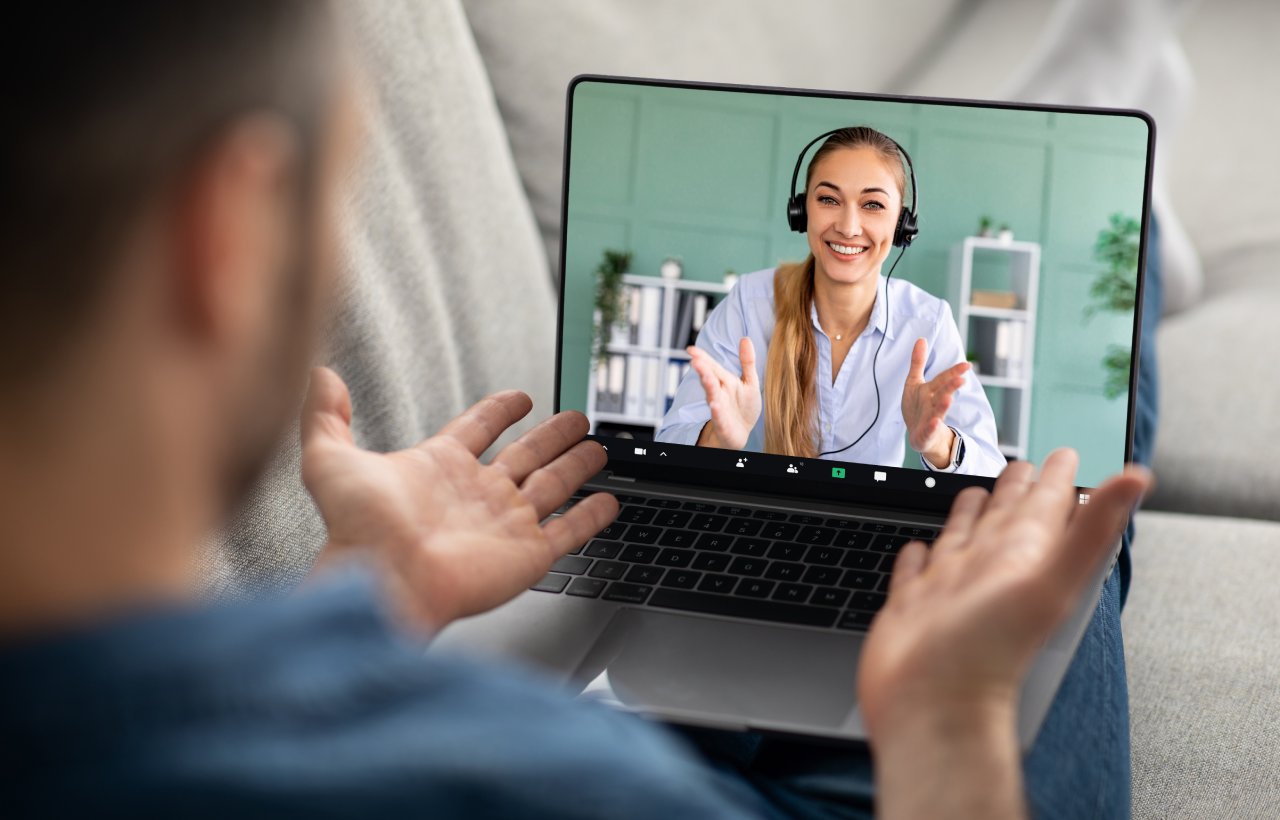
A telehealth alcohol detox program delivers medical supervision and therapeutic support for alcohol withdrawal through secure video or phone sessions. From the comfort of your home you can access qualified clinicians who guide you through each stage of detoxification. By choosing a remote detox option, you benefit from tailored treatment programs that address your unique challenges while maintaining privacy and convenience.
How telehealth services work
Telehealth detox services typically begin with an online or phone assessment to evaluate your medical history, current health status, and substance use patterns. Following that initial evaluation, you and your care team will agree on a schedule for virtual check-ins, medication management, and counseling sessions. Creative Recovery’s accredited telehealth addiction treatment program ensures you receive comprehensive care exactly when you need it.
Preparing for remote detox
Completing your medical assessment
Your journey starts with a detailed health screening conducted by an addiction medicine physician or nurse practitioner. This evaluation covers:
- Vital signs and lab results review
- Assessment of co-occurring mental health conditions
- Determination of medication-assisted treatment needs
In many states, insurance companies and Medicaid now cover remote alcohol treatment, including talk therapy and medical monitoring (NIAAA). As a result, you can focus on recovery without worrying about prohibitive costs.
Setting up your telehealth space
Creating a private, distraction-free environment is essential for successful remote care. Make sure you have:
- Reliable internet or phone signal
- A device with a camera and microphone
- A quiet room with good lighting
- Comfortable seating and water on hand
By preparing your technical setup in advance, you minimize interruptions and build a supportive environment for lasting recovery.
Structuring your telehealth program
Phase 1: medical evaluation
During the initial week, you’ll meet with your physician virtually to:
- Review withdrawal risk factors
- Establish a medication-assisted detox plan
- Schedule frequent health check-ins
This early stage focuses on stabilizing your condition and preventing complications.
Phase 2: withdrawal management
As you progress through detox, your clinician will monitor:
- Heart rate and blood pressure
- Severity of symptoms such as tremors or nausea
- Medication adjustments
Creative Recovery offers specialized telehealth drug detox services with real-time vital sign tracking to ensure safe, individualized care.
Phase 3: therapeutic counseling
Once physiological withdrawal is under control, you’ll engage in regular therapy sessions. These may include:
- Cognitive behavioral therapy to address drinking triggers
- Motivational interviewing to strengthen commitment
- Trauma therapy options like telehealth trauma therapy for addiction recovery
By integrating evidence-based approaches, we foster resilience and skills for long-term sobriety.
Managing withdrawal symptoms
Common symptoms to expect
Detox from alcohol can bring a range of symptoms, including:
- Anxiety or irritability
- Insomnia or vivid dreams
- Headaches or sweating
- Mild to moderate tremors
Table 1 lists typical symptoms alongside recommended support measures.
Table 1: Withdrawal symptoms and support
| Symptom | Support measure |
|---|---|
| Anxiety | Relaxation exercises, deep breathing |
| Insomnia | Sleep hygiene tips, melatonin (if prescribed) |
| Headaches | Hydration, over-the-counter pain relief |
| Tremors | Medication adjustments, frequent check-ins |
Medication management
Your care team may prescribe medications such as benzodiazepines or anticonvulsants to ease withdrawal. These drug are carefully dosed and tapered under close supervision to reduce the risk of complications. By combining pharmacological support with behavioral strategies, you receive comprehensive care necessary for lasting recovery.
Participating in remote sessions
Individual therapy
One-on-one counseling lets you explore personal triggers and coping skills in a confidential setting. Your therapist will tailor each session to your progress, helping you build strategies to maintain sobriety. If you require specialized mental health support alongside detox, you can access the telehealth dual diagnosis treatment track.
Group counseling
Connecting with peers facing similar challenges fosters mutual support and accountability. Group sessions cover topics such as relapse prevention, stress management, and healthy communication. Creative Recovery’s telehealth group therapy for addiction empowers you to learn from others and share your insights in a supportive environment.
Family involvement
Recovery thrives when loved ones are engaged. Virtual family therapy sessions educate your support network on best practices for encouragement and boundary setting. By involving family members, you strengthen relationships and create a foundation for ongoing encouragement.
Leveraging telehealth advantages
Accessibility and convenience
Remote detox eliminates travel time and relocation stress. You remain in your familiar surroundings, making it easier to integrate recovery efforts into daily life. Telehealth expands access if you live in a rural area or if local addiction specialists are scarce.
Privacy and comfort
Attending sessions from home offers discretion that in-person programs cannot. You control who is present and can choose a private room for your appointments. This sense of safety can enhance openness during therapy.
Continuity of care
With virtual check-ins, your care team remains involved at every stage. As a result, you avoid gaps in treatment that can occur with appointment no-shows or travel conflicts. Platforms like Creative Recovery’s secure patient portal streamline scheduling and communication so you never miss a critical session.
Planning aftercare support
Ongoing counseling
Detox is only the first step. After completion, you can transition seamlessly to a telehealth relapse prevention program that reinforces coping strategies and addresses emerging challenges. Regular follow-up sessions help you stay accountable and adjust plans as needed.
Supportive resources
Creative Recovery connects you with:
- Virtual sober living support through telehealth sober living support programs
- Online skills groups for stress management and wellness
- Access to 24/7 crisis lines and peer coaches
These resources ensure you have the support needed for stable, long-term recovery.
Choosing Creative Recovery
Accredited telehealth services
Since 2007, Creative Recovery has leveraged secure telehealth technology to expand access to life-changing care. We hold accreditation from leading bodies and comply with HIPAA regulations to ensure your privacy and safety.
Multidisciplinary team
Your care team includes:
- Addiction medicine physicians
- Licensed therapists and counselors
- Certified nurses with substance use specialization
- Peer support coaches
This collaborative approach provides the comprehensive care necessary for people with co-occurring disorders.
Customized treatment plans
Every detox journey is different. We develop individualized plans based on your medical needs, personal history, and recovery goals. By offering evidence-based modalities—from medication management to trauma-informed therapy—we ensure your program aligns with your unique challenges.
Insurance coverage and affordability
Creative Recovery partners with major insurers and Medicaid in many states to reduce your out-of-pocket costs. We assist you in verifying benefits and exploring financing options so that quality care remains accessible.
Taking next steps
- Reach out for a confidential consultation by phone or online form
- Complete your initial health assessment at no charge
- Review your personalized detox plan and confirm coverage
- Schedule your first virtual appointment
Choosing a telehealth alcohol detox program with Creative Recovery means accessing supportive, expert-led care tailored to your needs. Start your journey toward lasting recovery today.