
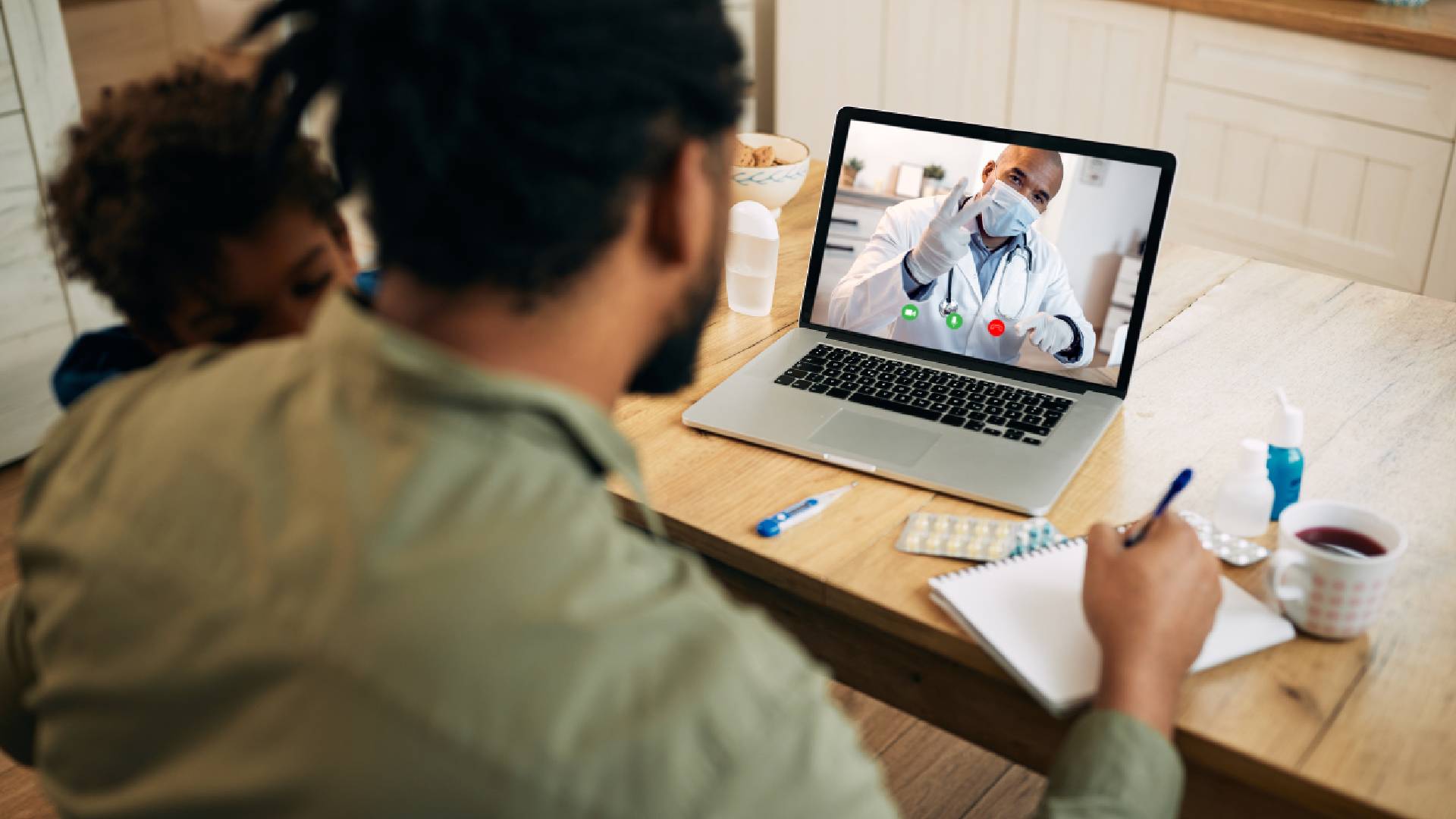
Understanding a telehealth relapse prevention program
When you complete residential or intensive treatment, the next question is how you will stay connected to care. A telehealth relapse prevention program is designed to support your long‑term recovery using secure video, phone, and online tools so you can keep working on your sobriety without always needing to be on site.
Through a HIPAA compliant platform, you meet with therapists, counselors, and sometimes medical providers who specialize in addiction and mental health. These services can include individual therapy, online counseling for addiction, online group therapy for addiction, telemedicine mat support, and virtual dual diagnosis therapy when you are also managing conditions like anxiety, depression, or PTSD.
By combining flexible scheduling with evidence based care, a telehealth relapse prevention program gives you ongoing structure during a time when your risk for relapse can be higher, especially in the first year after treatment. Telehealth has been shown to provide outcomes similar to in person care for substance use disorders, and may even improve treatment retention for some groups, such as people receiving opioid agonist therapy [1].
How telehealth supports long term sobriety
Improving accessibility and consistency
Ongoing care is one of the strongest predictors of long term recovery, yet it can be difficult to keep every appointment once you are back at work, in school, or caring for a family. A telehealth relapse prevention program reduces many of the barriers that typically lead to dropped sessions, such as transportation, childcare, or long commutes.
Research has found that telehealth in addiction treatment improves accessibility by connecting you with specialists when you live in rural or underserved areas and by reducing the stigma of walking into a physical clinic [2]. You can join from home or a private office, which helps you stay engaged even when your schedule is demanding.
Telehealth also supports more frequent follow ups. Instead of spacing sessions weeks apart, you can schedule shorter, more regular check ins that help you address cravings or stress before they snowball. This kind of continuity of care is especially important for chronic conditions like substance use disorders and can help prevent small setbacks from turning into full relapses [3].
Strengthening relapse prevention skills in your real environment
In residential treatment, you learn coping skills in a protected setting. The challenge comes when you return to your everyday life and face old triggers. A telehealth relapse prevention program brings professional support into the same environment where your stressors, relationships, and routines actually exist.
During sessions, you can talk through events that happened that day or that week, such as an argument at home, a difficult work meeting, or an unexpected exposure to substances. Your therapist can help you practice skills like:
- Identifying early warning signs of relapse
- Using cognitive behavioral strategies to challenge unhelpful thoughts
- Building healthy routines and sleep habits
- Setting boundaries with people who are not supportive of your recovery
Web based relapse prevention therapy programs that use cognitive behavioral techniques, mindfulness, and structured modules have been designed to help you recognize triggers, increase coping skills, and reduce relapse risk over time [4]. Many telehealth programs integrate similar approaches into your weekly sessions.
Core components of a telehealth relapse prevention program
Each program looks a little different, but most online relapse prevention plans combine several key elements.
Individual remote counseling
One to one sessions are the foundation of most telehealth relapse prevention programs. Through remote recovery counseling or telehealth mental health counseling, you meet privately with a licensed therapist or counselor who understands addiction and co occurring mental health issues.
These sessions help you:
- Review your relapse prevention plan and adjust it as your life changes
- Process emotions and stressors that might lead to cravings
- Work through relationship challenges, grief, or workplace stress
- Monitor mood symptoms like anxiety or depression that can increase relapse risk
Research on telepsychiatry for substance use disorders has found that outcomes such as abstinence, quality of life, and confidence in sobriety are similar when you receive care virtually compared with in person. A hybrid approach that combines both may even offer added benefits [5].
Online group therapy and peer support
Relapse prevention is not only about skills, it is also about connection. Many telehealth programs include online group therapy for addiction and virtual peer support groups where you can share your experiences with others in recovery.
Group sessions might focus on topics such as:
- Managing cravings and high risk situations
- Coping with loneliness or boredom without substances
- Rebuilding trust with family and friends
- Balancing recovery with work and daily responsibilities
Virtual groups use secure video platforms to create a setting where you can see and hear others in real time. Studies of videoconference delivered group therapies, including dialectical behavior therapy for people with co occurring mental health and substance use disorders, have shown symptom reductions comparable to in person treatment [6].
Medication management and MAT support
If you are using medications such as buprenorphine, methadone, or naltrexone as part of your recovery, telehealth can make it easier to stay on track. Through telemedicine mat support, you can meet with prescribers, review side effects, and adjust doses without always traveling to a clinic.
Telemedicine for opioid use disorder has been associated with higher one year retention rates compared with in person care, which is a key factor in preventing relapse and overdose [1]. Regulatory changes in recent years have allowed more flexibility in providing these services, and ongoing policy discussions continue to explore how to maintain access while ensuring safety.
Dual diagnosis and trauma focused care
Many people in recovery are also living with mental health conditions or trauma histories. If you are managing both, it is important that your telehealth relapse prevention program addresses the full picture.
You may benefit from:
- Virtual therapy for co-occurring disorders
- Virtual dual diagnosis therapy that coordinates care between mental health and addiction specialists
- Telehealth trauma therapy for recovery or virtual therapy for trauma and ptsd to process past experiences safely
Telepsychiatry research suggests that combining treatment for mental health and substance use conditions through remote care can achieve outcomes similar to in person approaches, and a mix of modalities may offer additional stability [5].
Telehealth levels of care and program options
Your telehealth relapse prevention plan can be woven into several levels of care, depending on how much structure you need at this stage of recovery.
Virtual outpatient, IOP, and PHP
If you have recently stepped down from residential or detox care, you might enter a structured telehealth program such as:
- Telehealth iop and php programs that provide multiple sessions per week
- Telehealth outpatient addiction care with a flexible schedule
- Virtual outpatient therapy for recovery as you rebuild daily routines
These programs typically combine individual therapy, group sessions, medication management when appropriate, and family involvement. Telehealth intensive programs can help bridge the gap between the 24 hour support of inpatient care and the greater independence of full outpatient or aftercare.
Ongoing aftercare and alumni support
Once your higher level treatment wraps up, you can continue in an online addiction aftercare program that focuses on long term relapse prevention. Aftercare may include:
- Weekly or biweekly therapy
- Monthly relapse prevention workshops
- Virtual alumni meetings and peer support
- Periodic check ins to review your recovery plan
A 12 week relapse prevention model, like the one described by Club Recovery, often focuses on identifying high risk situations, building coping strategies, and planning for long term success [7]. Telehealth allows you to access similar structured support while remaining in your home or community.
Benefits of telehealth relapse prevention for your daily life
Flexibility for work, school, and family
One of the most immediate benefits of a telehealth relapse prevention program is how easily it fits into your life. You can schedule sessions before or after work, during a lunch break, or between other responsibilities. This flexibility is particularly valuable if you are a parent, a caregiver, or a professional with limited time.
Telehealth reduces missed appointments by eliminating commute time and by giving you more choices about when and how you meet with your providers. In some studies, patients in telehealth based addiction treatment were more likely to adhere to medication assisted treatment plans, likely because of this added convenience [8].
Increased privacy and reduced stigma
You might feel more comfortable engaging in treatment when you do not have to walk through the doors of a clinic, where you might be seen by neighbors or coworkers. Telehealth allows you to attend sessions from a private room at home or another confidential space, which can lessen feelings of shame or fear of judgment.
This increased privacy can help you start treatment earlier and stay connected longer, both of which lower your risk of relapse over time [8].
Support tailored to your values and background
Telehealth also opens more options for specialized approaches. If your faith is an important part of your recovery, you can look for faith-based telehealth treatment that integrates spirituality with evidence based care. If you are navigating recovery while working in a demanding professional role, telehealth addiction recovery for professionals may better understand your confidentiality needs and schedule pressures.
Programs that intentionally match you with clinicians who understand your experiences can help you feel seen and respected, which often makes it easier to discuss sensitive issues honestly.
The right telehealth relapse prevention program does more than move sessions online. It builds a long term safety net that fits around your everyday life, your responsibilities, and your goals.
Evidence for telehealth in relapse prevention
Several lines of research support the idea that telehealth is a practical and effective way to deliver ongoing addiction care.
Studies of telepsychiatry have found that prognosis for people with substance use disorders is similar when care is delivered remotely compared with in person, and hybrid models that combine both formats may lead to even better outcomes. Patients in hybrid programs were more likely to remain in treatment and less likely to leave against clinical advice [9].
Research on telehealth group programs for smoking and alcohol use, such as mindfulness based relapse prevention delivered via Zoom, has shown that participants can adapt quickly to the technology and that remote delivery reduces obstacles like transportation and childcare, which otherwise often prevent consistent participation [10].
Telehealth is not without challenges. Some people face technology barriers, limited internet access, or concerns about privacy at home. Programs have responded by offering technology support, orientation sessions, and strategies for protecting confidentiality during calls. Over time, improvements in broadband access, digital literacy, and telehealth regulations are expected to make these services even more accessible and integrated into standard relapse prevention planning [11].
Integrating telehealth into your overall recovery plan
Choosing a telehealth relapse prevention program does not mean you have to give up in person support. Many people find that a blended approach works best. You might attend periodic face to face visits for physical exams, lab tests, or certain group activities, while relying on virtual sessions for ongoing therapy, medication follow ups, and peer support.
When you explore options, you may want to consider:
- Whether the program offers both telehealth mental health and addiction services so your care is coordinated
- How easily you can step up or step down in intensity, for example between telehealth iop and php programs and standard outpatient
- Whether the services are part of a broader telehealth addiction treatment program that can adjust as your needs change
- If the program provides help with insurance-covered telehealth addiction care so you understand your benefits and costs
You can also ask how the program communicates with your other providers, such as primary care doctors or specialists, to ensure everyone is working from the same information.
Taking the next step
If you are finishing a higher level of treatment or you have already returned home and want more structured support, a telehealth relapse prevention program can be an effective way to stay connected. By blending secure technology, evidence based therapies, and flexible scheduling, telehealth helps you keep recovery at the center of your life without putting everything else on hold.
You deserve a plan that meets you where you are, respects your privacy, and supports your long term goals. With the right combination of virtual and in person care, you can build a sustainable path forward and continue strengthening your recovery, one day at a time.