
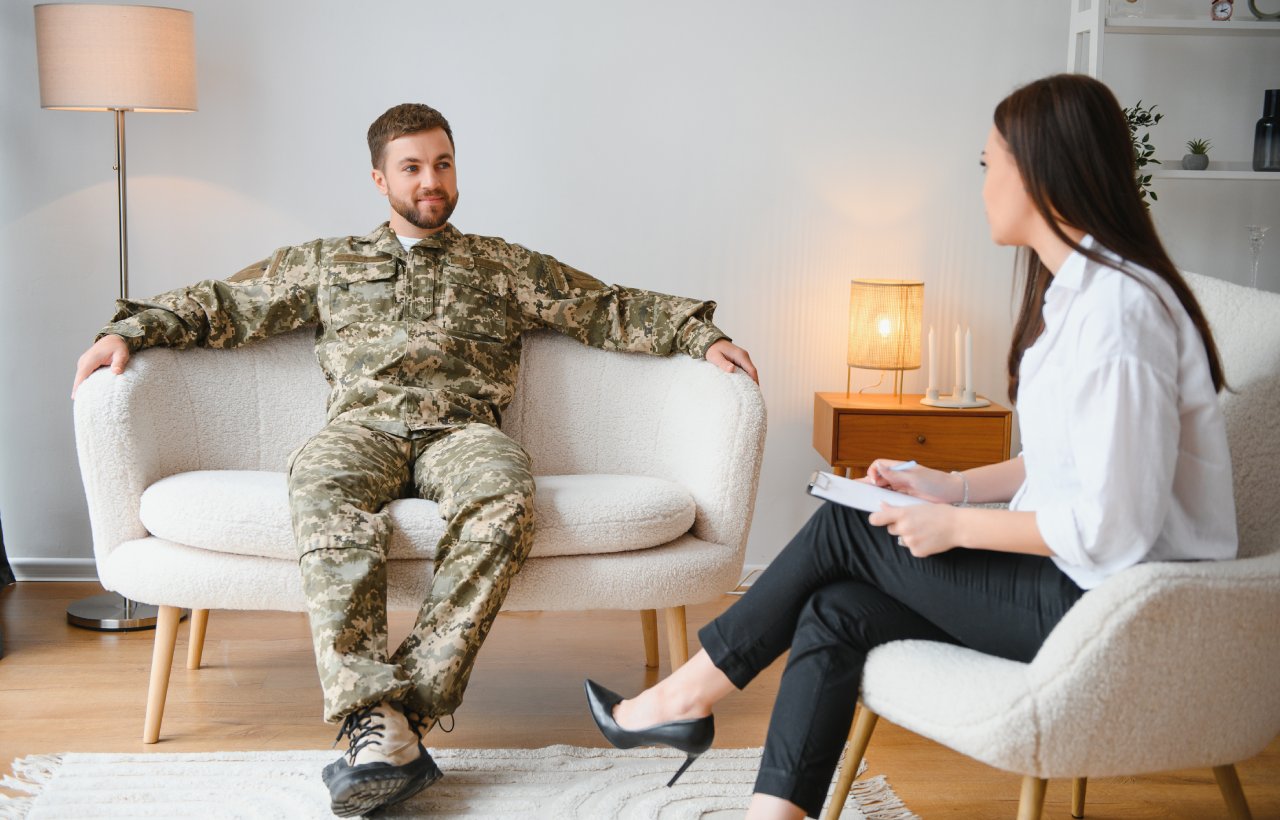
Recognize co-occurring disorders
When you face both posttraumatic stress and substance use, healing requires an approach that treats these conditions together. In the U.S., about four out of 10 adults with PTSD also struggle with alcohol or drug use (PTSD VA). Left unaddressed, co-occurring disorders can:
- Worsen PTSD symptoms, such as sleep disturbance and irritability
- Increase risks of depression, anxiety, and suicidal thoughts
- Lead to physical health issues, legal problems, and relationship strain
Veterans confront unique risk factors that raise the likelihood of developing PTSD and substance use disorder (SUD). These include younger age at trauma, multiple deployments, prior mental health challenges, and limited social support (PMC). As a result, you may find that traditional single-focus programs fall short. Recognizing these intertwined challenges is the first step toward meaningful recovery.
PTSD and substance use
- 44.6% of individuals with lifetime PTSD also meet criteria for an alcohol or drug use disorder (VA PTSD Professional Website).
- Among Iraq and Afghanistan veterans with PTSD, 34.2% of men and 20.1% of women have an alcohol use disorder, with veterans twice as likely as civilians to develop drug use problems.
Impact on recovery
Combining trauma and addiction not only complicates treatment, it can also prolong it. Veterans with co-occurring disorders often experience:
- Lower engagement in therapy
- Higher relapse rates
- Additional medical and social challenges
By understanding how PTSD and SUD interact, you can seek a program designed to address both simultaneously, paving the way for lasting healing.
Compare therapy approaches
Choosing the right therapeutic modalities is critical when you pursue a trauma therapy program for veterans addiction recovery. Evidence shows that integrated, trauma-focused psychotherapies yield the best outcomes.
Trauma-focused therapies
- Prolonged Exposure (PE) helps you gradually confront traumatic memories in a safe environment. PE typically spans eight to 15 sessions and reduces avoidance behaviors.
- Cognitive Processing Therapy (CPT) guides you in reexamining and reframing distressing thoughts linked to trauma over seven to 15 sessions.
- Eye Movement Desensitization and Reprocessing (EMDR) combines bilateral stimulation with trauma processing, easing the intensity of distressing memories.
These approaches directly tackle PTSD while building coping skills for substance use.
Substance use interventions
- Contingency Management (CM) provides tangible incentives for treatment milestones, which is especially effective for stimulant misuse.
- Medication-assisted treatment (MAT) can stabilize withdrawal symptoms and reduce cravings for alcohol, opioids, and tobacco.
- Cognitive Behavioral Therapy (CBT) addresses negative thought patterns that fuel addiction, teaching healthier coping strategies.
Integrated treatment models
Programs that combine trauma-focused therapies with SUD interventions—such as COPE (Concurrent Treatment of PTSD and Substance Use Disorders)—help you address the root of both conditions simultaneously (PTSD VA). Integrated care often leads to:
- Faster symptom reduction
- Lower relapse rates
- Improved overall mental health
Overall, comparing therapy approaches ensures you find a plan that meets your complex needs.
Select veteran-focused care
A supportive, veteran-centered environment can make all the difference in recovery. Creative Recovery’s programs are built around the experiences and challenges faced by those who have served.
Specialized veteran programs
Your treatment is delivered by clinicians trained in military culture, combat trauma, and the specific stressors of reintegration. This expertise fosters trust and helps you feel understood from day one.
Peer camaraderie
Connecting with fellow veterans creates a support network uniquely attuned to your journey. Shared experiences break down isolation, boost accountability, and reinforce the commitment to stay sober.
Evidence-based practices
Creative Recovery integrates the latest research on co-occurring PTSD and addiction, using proven therapies and regular outcome tracking. You benefit from a program that evolves with new clinical findings and veteran needs.
Choose Creative Recovery
When you evaluate providers, Creative Recovery stands out for its comprehensive, evidence-based model and proven results.
Holistic treatment model
Beyond trauma and SUD therapies, you gain access to:
- Wellness activities such as yoga, mindfulness, and exercise
- Nutritional counseling to support physical healing
- Family education to rebuild relationships
Accreditation and expertise
Our facilities meet Joint Commission standards and employ licensed, credentialed staff with years of experience in dual-diagnosis care. You can trust that your treatment aligns with national best practices.
Veteran-centered staff
From intake coordinators to medical directors, our team includes former servicemembers and veterans’ advocates who prioritize your comfort and dignity. Their insights ensure that every aspect of your experience is tailored to your background and goals.
Personalize your treatment journey
No two recovery paths are identical. At Creative Recovery, your care plan is designed around a comprehensive assessment and your personal objectives.
Comprehensive assessment
During intake, you and your clinician review:
- Trauma history and PTSD severity
- Substance use patterns and medical needs
- Co-occurring mental health conditions
- Social support and environmental factors
This deep dive ensures we address every dimension of your well-being.
Customized care plan
Based on assessment findings, your individualized plan may include residential, outpatient, telehealth, or hybrid services. You decide which combination aligns with your lifestyle, responsibilities, and comfort level.
Flexible delivery options
Creative Recovery offers multiple pathways so you can engage in treatment without compromising other commitments:
Residential detox program for veterans
Early stabilization in a safe, medically supervised setting with 24/7 support.
Outpatient rehab program for veterans
Structured therapy while you return home each day.
Telehealth trauma therapy for addiction recovery
Virtual sessions that fit your schedule and location.
Group therapy program for veterans addiction
Peer-led discussions focused on shared experiences and coping skills.
Access ongoing support
Recovery extends beyond formal treatment. Creative Recovery provides comprehensive aftercare to reinforce your progress.
Aftercare and relapse prevention
Your plan includes evidence-based relapse prevention strategies and regular check-ins. You may enroll in an outpatient relapse prevention program veterans to reinforce skills and maintain accountability.
Recovery housing and sober living
Safe, structured housing supports your early sobriety. Consider our structured sober living program for veterans or outpatient recovery housing for veterans to stay connected to peers and resources.
Telehealth follow-up
Ongoing virtual therapy and medication management ensure you maintain momentum, no matter where you are.
Community resources
Through partnerships with veterans’ organizations and mutual-help groups, you gain access to job training, housing assistance, and peer mentors who understand your journey.
Start your recovery journey
You do not have to face trauma and addiction alone. When you choose Creative Recovery, you join a community committed to your success. Reach out today to:
- Discuss your needs with a veteran-knowledgeable intake specialist
- Schedule a confidential assessment
- Explore financial assistance and insurance options
Transform your life with an industry-leading trauma therapy program designed for veterans like you. Take the first step toward lasting healing and renewed purpose.